Comparing Skincare Gift Set Options Side by Side
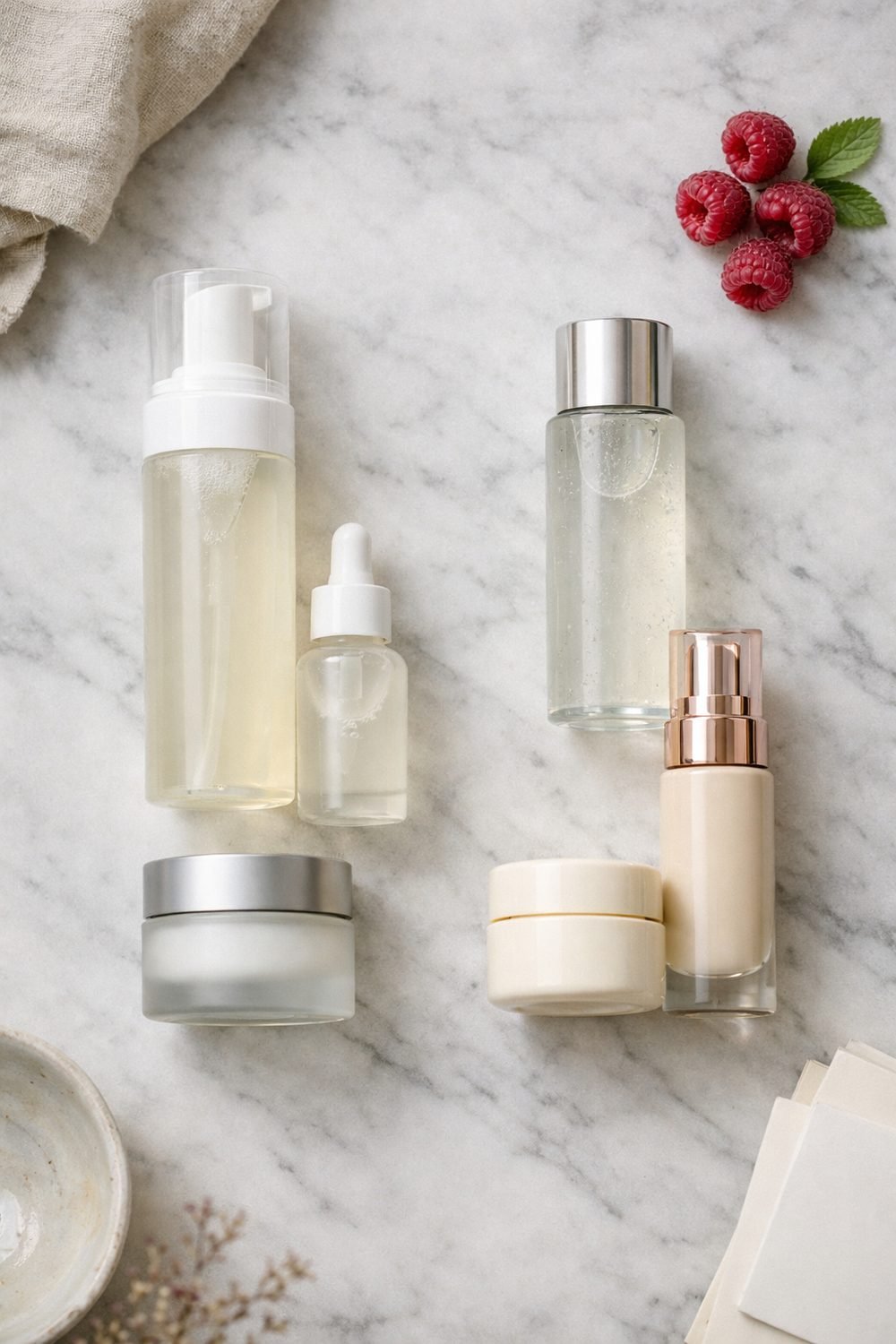
Shopping for a skincare gift set can get confusing fast, because two boxes that look alike can hold very different products, sizes and prices. A simple side-by-side comparison makes those differences easy to spot. This guide shows how to line up your options and choose with a clear head.
Buying skincare sets on impulse is a lot like grabbing snacks at a gas station, and the main keyword is regret. Something looked nice, the box was pretty, and the price seemed fine. Then I'd get home, open it, and realize half of it was stuff I already had or would never use.
What finally fixed that habit was boring. A simple comparison sheet. One page, a few columns, and a pen. It sounds almost too basic to be worth a whole post, but it clears the clutter fast. Once you can see two or three sets next to each other, the "best" one usually stops being a mystery.
Here's how I do it, step by step, with the little things I've learned from getting it wrong a few times.
Short on time? Our top picks: CeraVe, Cetaphil, The Ordinary and COSRX. See all picks
Start With Only Two or Three Skincare Sets
This is the part people skip. They open ten tabs and try to compare everything at once. It's an easy mistake to make. By tab six I couldn't remember which set had the eye cream and which one had the weird sheet mask nobody asked for.
So pick two or three. That's it. If you're stuck with more, do a quick first cut based on one simple thing, like skin type or what's in your budget. Anything that clearly doesn't fit gets closed.
Write the names across the top of your page. It helps to leave a wide space under each one because the next step takes room. If you don't want to draw the grid yourself, the Skincare Set Buyer's Guide and Comparison Sheets below this post has printable pages already laid out for this.
Write Out What's Actually in Each Skincare Kit
Go item by item, whether it's a CeraVe set or a bundle from any other brand. Don't trust the big words on the front of the package. "Complete routine" can mean five products or it can mean two products and a headband.
For each set, list every single thing inside. A typical kit skincare set might look something like this:
- Cleanser
- Toner or essence
- Serum
- Moisturizer
- Something extra, like an eye cream, a mask, or a pouch
Then look across the rows to compare skincare sets. You'll often notice that one set is really just a cleanser and moisturizer with filler around it. Another might have three products you'd actually reach for every day.
You can also put a small mark next to anything you already own and like. If I'm happy with my cleanser, a set built around a new cleanser isn't that exciting to me. That one tiny mark has saved me more money than any coupon.
One more thing. If you have sensitive skin, allergies, or a skin condition, check the full ingredient list on the seller's page for every item, not just the hero product. And if you're unsure about something, ask a dermatologist or pharmacist. A box can't tell you how your skin will react, and you aren't a dermatologist either.
Check the Sizes (This Is Where Travel Skincare Kit Deals Get Sneaky)
Honestly, this is the step that changed how I shop. Sizes vary a lot, and a retailer like Sephora lists many sets that you can compare. Some sets come with full-size bottles, including some vitamin c skincare picks. Others are mostly travel or trial sizes, which are cute but disappear in a week or two.
Write the size next to each item on your sheet, in whatever unit the seller lists, usually ml or grams. Don't guess from photos. Product photos are often taken close up, and a tiny tube can look like a full bottle.
Here's a common situation that shows the problem. A set can look like a great deal, and then the serum turns out to be a little sample vial. It lasted maybe ten days. The "cheaper" set next to it had a full-size serum. Guess which one was actually the better buy.
Minis aren't bad, by the way. If you just want to try a brand before committing, small sizes are kind of perfect. You just want to know what you're getting so you're not surprised later.
Write Down the Price Exactly as Shown
Keep it simple. Write the price you see on the seller's page on the day you're looking. Don't round it. Don't write the "original" crossed-out price unless you want to note it separately.
It also helps to add a little line for extras:
- Shipping cost, if any
- Any minimum order to get free shipping
- Whether a discount code is needed at checkout
Prices change, sometimes daily, so I put the date in the corner of my sheet. That way, if I come back a week later and the number's different, I know it's not my memory playing tricks.
If you want to go a step further, you can roughly compare cost against what's in the box using the sizes you just wrote. You don't need perfect math. Just a gut check like "this one has bigger bottles for a similar price" is enough to steer you.
By the way, if you're new to all of this and not sure what order to even use products in, you can grab our free AM-PM Routine Chart for Skincare Beginners by joining the email list.
Look at the Return Policy Before You Fall in Love
Nobody finds this part fun. Many people don't, until a set makes their cheeks itchy and they find out the shop doesn't take opened items back.
Before you buy, find the returns section on the seller's page and jot down a few notes on your sheet:
- How many days you have to return it
- Whether opened or used products can be returned
- Who pays for return shipping
- Whether you get a refund or only store credit
Policies differ a lot between shops, and sometimes between products in the same shop. Skincare gifts and sale items often have stricter rules. If anything is unclear, message the seller and ask. A short, clear reply tells you something about the shop too.
A good return policy doesn't make a set better on its own. It doesn't change what's in the bottle. But when two sets are close, I'll pick the one that's easier to send back, every time.
Add a Row for Your Own Notes
This one isn't in most guides, but I think it matters. At the bottom of each column, leave a few lines just for you. Things like:
"Smells strong in reviews, might bother me." "Pump bottle, good for travel." "Would actually use all of these."
Packaging is a fair thing to care about. If a jar is annoying to open with wet hands, you'll use it less. If a set comes in a bag you'll reuse, that's a small bonus. It's hard to justify paying much extra for a fancy box, though. That's the most overrated part of almost every gift set.
Choose Your Skincare Gift Set Based on What You Care About
Now look at the whole sheet. Not just one row. You'll usually see one set pulling ahead pretty clearly.
Still torn? Pick your top priority and let it break the tie. For some people it's price. For others it's full sizes, or gentle products, or the ability to return things. There's no right answer here. A sensible order is: will you use everything, then sizes, then price, then returns. Yours might be totally different, and that's fine.
If you like doing this but want something a bit more organized, the Skincare Studio Comparison Table and Deal Box Kit below this post is built for comparing sets and tracking deals in one place. Totally optional. A plain notebook works too.
Skincare Sets Worth Adding to Your Comparison Sheet
These are real, widely sold sets and brands that make good candidates for a side-by-side comparison. Treat them as starting points to fill in your columns, not as winners.
CeraVe
Suits people who want simple, no-fuss routines built around a cleanser and moisturizer. Check the full ingredient list for each item, since formulas differ by product line.
Cetaphil
A good fit for anyone who wants a basic, gentle-minded routine from a familiar drugstore brand. Look at what is actually in each bundle, because contents vary from set to set.
The Ordinary
Suits readers who like building a routine from individual products instead of a boxed set. Compare the cost of buying items separately against any bundle, and read each product's directions before layering.
COSRX
A popular choice if you are curious about Korean skincare and want to try a few products from one brand. Check which items are included and whether they are full or smaller sizes.
Laneige
Suits people who enjoy Korean skincare and like to try sets with a few different steps. Read the ingredient list closely if you have sensitive skin or fragrance concerns.
Neutrogena
Works for shoppers who prefer an easy-to-find brand and want to compare a few kits at the same store. Check the contents of each kit, since some are mostly small extras.
Sephora
Useful if you want many brands' sets listed in one place, which makes side-by-side comparison easier. Check the return rules for opened items before you buy, as they can differ by product and sale type.
Check current plans and prices on each brand's own site before you decide.
FAQ
How many sets should I compare at once?
Two or three is the sweet spot. More than that and the details start to blur together. If you have a long list, cut it down first by budget or skin type.
Are skincare sets always cheaper than buying items separately?, even Korean skincare set deals?
Not always. Sometimes they are, sometimes the sizes are smaller so it evens out. Checking the sizes and prices on your sheet is the easiest way to see for yourself.
What if a set has one product I don't want?
That's really common. Ask yourself if the rest of the set is still worth it without that item. If you'd only use half the box, buying the products you want on their own might make more sense.
Can a set tell me if it's right for my skin?
Labels can give you a hint, but they can't promise how your skin will react. Read the full ingredients on the seller's page, and if you have concerns, talk to a dermatologist or pharmacist before trying something new.
Quick Recap
Pick a few sets, list what's inside, check the sizes, write the real price, read the return rules, and add your own notes. Then choose based on what matters to you, not what the box says is "best." It takes maybe fifteen minutes, and it's saved me from more than one drawer full of half-used minis.
If you're just getting started, grab the free AM-PM Routine Chart for Skincare Beginners first so you know what goes where. Then, if you want ready-made sheets instead of drawing your own, take a look at the products below this post.
Printables and tools that can help
Skincare Set Buyer's Guide and Comparison Sheets
A printable guide and comparison sheets to note what matters to you before you look at any seller...
See detailsSkincare Studio Comparison Table and Deal Box Kit
A tool that writes copy-and-paste comparison tables and deal boxes for your own review...
See details