Face Masks for Blackheads: Kitchen Ideas and a Patch-Test Guide
Published 2026-10-15

Wondering about the best face mask for blackheads? A simple kitchen mask can be a pleasant treat for your skin, but it is not a fix. This guide covers easy DIY ideas, safety rules and a step-by-step patch test to do before you try any of them.
Here's the honest part up front. Homemade face masks are a fun bit of at-home pampering. Think of them as a relaxing treat, not a treatment. They won't fix acne, wrinkles, dark spots or any other skin problem, and how your skin feels afterward will be different from how mine does. If you have a skin concern that bothers you, a dermatologist or doctor is the right person to ask.
What a kitchen mask can do is give you a calm, cozy break and a soft, clean feeling. That's enough of a reason for me. This guide covers simple mixes, how to patch test properly, what to skip, and common mistakes you can avoid.
Short on time? Our top picks: Aztec Secret Indian Healing Clay, Bob's Red Mill Old Fashioned Rolled Oats, Cetaphil Gentle Skin Cleanser and CeraVe Moisturizing Cream. See all picks
Quick summary
- Patch test every new ingredient on your inner wrist or behind your ear and wait 24 hours before it goes near your face.
- Take extra care if you have any food allergies. Kitchen ingredients are food, and food can cause reactions on skin too.
- Use clean hands, bowls and spoons, and make only enough for one use.
- Never store leftovers. Fresh food goes off fast, and it'll be sitting on your face.
- Keep masks away from your eyes and any broken, sore or irritated skin.
- About 10 minutes is plenty for simple kitchen mixes. Follow the packet for anything bought, like clay.
- Rinse with lukewarm water and stop right away if anything stings, burns or itches.
- Skip lemon juice, vinegar, baking soda, spices and anything gritty. More on why below.
Best face mask for blackheads: why a mask is a treat, not a fix
The internet is full of posts hunting for the best face mask for blackheads, or promising that a spoonful of something will "clear" or "brighten" your skin overnight. There's little reason to believe those claims, and you shouldn't take them at face value. Nobody can promise what a mix of yogurt and oats will do for your face, because skin is personal and a kitchen isn't a lab.
When you let go of the idea that a mask needs to "work," it tends to become a lot more enjoyable. Now the goal is simple. Did I relax? Does my face feel nice and clean? Did I have fun? If yes, it was a good mask.
What to expect, realistically
Most of the time, my face feels soft and a bit fresh after rinsing. Sometimes I notice nothing at all. Once or twice, my skin felt a little tight or warm, which told me that mix wasn't for me. All of that is normal. If you go in expecting a pleasant ten minutes instead of a miracle, you won't be let down.
Who should be extra careful
If you have sensitive skin, eczema, rosacea, any skin condition you're being treated for, or you use prescription skin products, check with your doctor or pharmacist before putting food on your face. The same goes if you're pregnant or have any health condition you're unsure about. This is not an exaggeration. It's just a quick question that saves you a red, unhappy face.
How to patch test, step by step
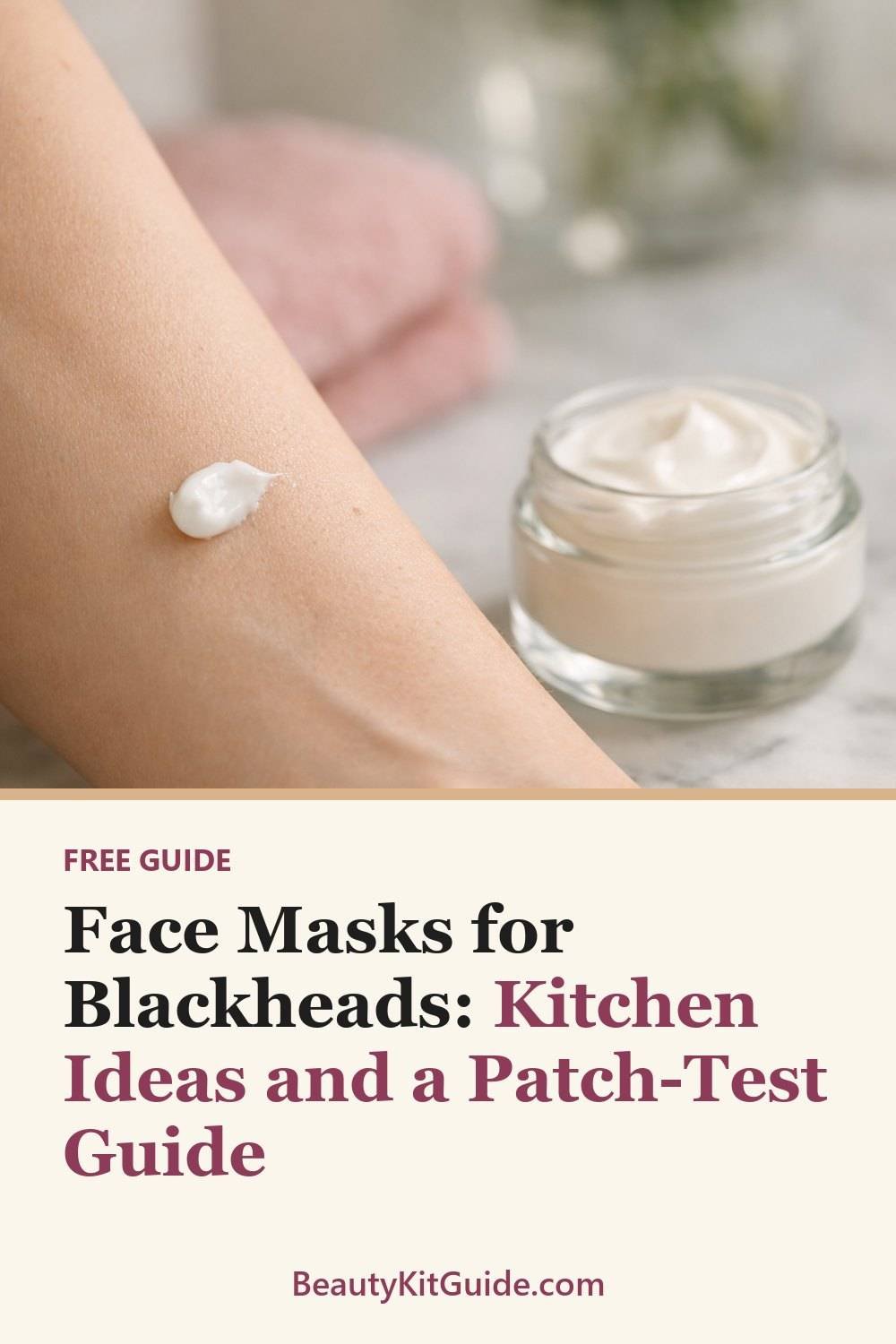
This is the one part I'd never skip. Before putting any new ingredient on your face, do a patch test. It takes a minute of effort and a day of waiting, and it's the best way to catch a reaction on a small, hidden bit of skin instead of your whole face.
The method I use
- Make a tiny amount of the mix, about the size of a pea.
- Wash and dry a small patch on the inside of your wrist or just behind your ear.
- Dab the mix on and leave it for the same time you'd keep it on your face, around 10 minutes.
- Rinse it off gently with lukewarm water and pat dry.
- Wait 24 hours. Don't cover the spot with lotion or anything else, so you can see what's happening.
- Check it a few times during the day and again the next morning.
What a "no" looks like
If you notice redness, itching, swelling, bumps, burning or any discomfort, rinse the spot well and don't use that ingredient on your face. Don't try it again "just a little" to see. If a reaction is strong, spreads, or you feel unwell, get medical help.
Test one thing at a time
This is an easy lesson to learn the annoying way. If you try a mix of honey, oats and yogurt and get a small itchy patch, you may have no idea which ingredient caused it. Now I test each new ingredient on its own first. It's slower, but you'll actually know what your skin doesn't like.
A note on food allergies
If you're allergic to a food, don't put it on your skin. That includes milk products, nuts, honey, bee products, fruits, oats if you react to them, or anything else on your list. Even if you've never had a food allergy, keep an eye out. A patch test doesn't guarantee your face will react the same way, but it's a good early warning.
Safety rules I follow every time
These feel boring until the day you skip one. A sticky note inside the bathroom cabinet is a handy place to keep them.
- Wash your hands, and use a clean bowl and spoon. A cereal bowl straight from the dishwasher is fine.
- Start with a clean face, washed with your normal gentle cleanser, such as Cetaphil Gentle Skin Cleanser.
- Keep masks away from your eyes, eyelids and lips, and off any cuts, spots you've picked, sunburn or irritated skin.
- Make a small amount and use it straight away. Don't store homemade masks, not even in the fridge.
- Rinse well with lukewarm water. Hot water feels nice but can leave my face feeling dry.
- Stop and rinse if anything stings, burns or feels uncomfortable. "A bit of tingling means it's working" is a myth I'd ignore.
- Don't use a mask more often than you'd use a bought one. Once a week is plenty for me.
One more thing: use fresh ingredients. If the yogurt is near its date or the banana has gone fuzzy, eat something else and make the mask another day.
Kitchen ingredients compared for a full face mask
Not every food behaves the same on your face. Some are gentle and easy, some are sticky, and some are just a pain to rinse off. Here's how the common ones compare. This is about texture and mess, not about what they do for skin.
Oats
Ground oats are my favorite starting point. They're soft once mixed, cheap and easy to find. Grind plain rolled oats, such as Bob's Red Mill Old Fashioned Rolled Oats, in a blender or coffee grinder until they're a fine powder. Lumpy oats are scratchy and drop all over the sink, so grind them well.
Plain yogurt
Creamy, cool and easy to spread. Use plain, unflavored yogurt with nothing added. Strawberry yogurt is for breakfast, not your face. Skip it if you have a dairy allergy.
Banana
Smooth and gentle, but slippery. It slides around more than you'd think, so lean over the sink. Use it ripe, mashed until there are no lumps.
Honey
Lovely and sticky. Very sticky. It's the hardest to apply neatly and the slowest to rinse. Avoid it completely if you're allergic to honey or bee products.
Cucumber
Watery and cooling. It won't stay put as a thick mask, so I apply it with a cotton pad. It's the best pick for a warm day when you want a light face mask.
Clay powder
This one isn't really a kitchen food, but lots of people keep a jar of cosmetic clay at home. Treat it like a bought product. Mix it with water and use it exactly as the packet says, including the time limit. Clay can feel drying, so I'd go easy.
Side by side
- Easiest to apply: yogurt, oats and yogurt together
- Messiest: honey, then banana
- Lightest feel: cucumber
- Best for a total beginner: oats and yogurt, once you've patch tested both
- Follow the label: clay powder
Simple recipes to try, including a gentle turmeric face mask alternative
These are the mixes I come back to. Measurements are loose on purpose. You want a texture that spreads without dripping. If it's too runny, add a pinch more of the dry part. If it's too thick, add a little more of the wet part.
Oats and plain yogurt face mask
Mix one spoonful of finely ground oats with one spoonful of plain yogurt. Let it sit for a minute so the oats soften. It turns into a soft, creamy paste that's easy to spread with your fingers. This is the one I'd tell a friend to start with.
Mashed banana
Mash half a ripe banana with a fork until it's as smooth as you can get it. Lumps fall off, so take your time. If it's too slippery, stir in a teaspoon of ground oats to help it stay on. Eat the other half while you wait. That's half the fun.
A thin layer of honey
Use clean fingertips to spread a very thin layer of plain honey over your face, avoiding your eyes and hairline. Leave it a few minutes, then rinse well. Warm, wet fingers help it come off. Skip this one if you're allergic to honey or bee products.
Cooling cucumber
Blend a few slices of cucumber until it's mostly liquid. Soak a cotton pad and sweep it over your face, or lay soaked pads on your cheeks while you lie down. It's less of a mask and more of a cool, refreshing moment. It can feel nice after a long, hot day.
Clay powder and water
Mix the clay with clean water to a smooth paste, following the instructions on the packet. Use a non-metal spoon if the packet asks for one. Don't let it dry and crack for ages unless the label says that's fine. When the time's up, rinse gently.
If you're just starting out and want a simple way to keep your daily skincare steps straight, my Free AM-PM Routine Chart for Skincare Beginners is free when you join the email list.

How long to leave it and how to rinse
Keep masks on for the time suggested on any packaged ingredient, like clay. For simple kitchen mixes, about 10 minutes is plenty. Longer doesn't mean better. Leaving a yogurt mask on for half an hour while watching a show can leave your face feeling tight and itchy afterward.
Rinsing without making a mess
Lean over the sink and splash with lukewarm water until most of it is gone. A soft, clean cloth helps with oats and honey. Be gentle. No scrubbing. If bits of oat are stuck near your hairline, wet fingers work better than rubbing.
After you rinse
Pat your face dry with a clean towel. Then go on with your normal routine, like your usual moisturizer. If you go out in the day, follow your usual sun care habits. Keep mask nights simple and don't pile on extra new products afterward, so if something feels off, you know what caused it.
Make it an occasion
This is honestly my favorite part. A mask is a great excuse to slow down.
Tie your hair back with a soft band or clip, such as a Headbands from Kitsch style, so it doesn't end up in the yogurt, and keep a reusable face cloth nearby for rinsing. Put an old towel around your shoulders. Play some music you love, or a podcast, or nothing at all. Lie on the floor with your feet up on the couch for ten minutes. Make a cup of tea and drink it once you've rinsed.
A friend of mine does a mask night with her teenage daughter once a month. They each test their mix first, then sit on the kitchen floor laughing at each other's faces. That's the best way to do this. It's about the time, not the banana.
A simple mask night routine
- Patch test the day before.
- Wash your face and tie your hair back.
- Mix a small, fresh batch.
- Apply, set a timer for 10 minutes, and relax.
- Rinse, pat dry and do your normal routine.
- Throw out any leftovers and wash the bowl.
What I'd skip (and what's overrated)
Some popular "DIY mask" ingredients show up everywhere, and I avoid them. The logic is simple: if something stings in a cut, it doesn't belong all over your face.
- Lemon or lime juice: it stings a lot of people, and I've read enough warnings to leave it in the kitchen.
- Vinegar: same reason. It's sharp and strong-smelling, and I don't see the point.
- Baking soda: great for cleaning the oven. Not something I'd rub on my face.
- Cinnamon, ginger, pepper or other spices: they can feel hot or prickly. Hard pass.
- Sugar or salt scrubs on the face: too rough for me. Gritty bits and facial skin aren't a good match.
- Raw egg: I'm wary of raw egg near my mouth and nose, and it smells awful.
- Essential oils from the cupboard: they're strong and easy to overdo. I'd only use a product made for skin, and only as its label says.
As for overrated? Elaborate ten-ingredient recipes. More ingredients means more chances for a reaction, more mess and more to test. The best mask nights can get by with just two things.
Common mistakes
These mistakes are common, so no judgment here.
Skipping the patch test
It's tempting when you're excited and the mix is right there. Wait the 24 hours. A red face for a few days isn't worth the shortcut.
Making a big batch to "save for later"
This can happen with a mix like yogurt and banana. Two days later, the jar in the fridge looked and smelled grim. Fresh food goes off quickly. Make one use, and throw away the rest.
Leaving it on too long
Ten minutes is plenty for kitchen mixes. If you're likely to forget, set a timer on your phone and put the phone across the room.
Getting too close to your eyes
Honey or yogurt in your eye isn't fun. Keep a clear gap around your eyes and don't apply masks to your eyelids.
Rubbing it off hard
Scrubbing to get the last bits off can leave you red and sore. Use lukewarm water, soft hands and a gentle cloth.
Trying a mask on irritated skin
If your face is sunburned, broken out and sore, or just angry, give it a break. A mask night can wait.
Expecting a big change
This is the one that makes people give up. If you treat a mask as a fix, you'll be disappointed. If you treat it as a nice ten minutes, you'll keep doing it.
Helpful gear and products for mask night
You don't need much to make mask night easier, but a few simple tools and products can make it tidier and calmer. Here are some well-known options that fit the kitchen-mask routine.
Aztec Secret Indian Healing Clay
A popular cosmetic clay powder for people who want to try a clay mask at home. It suits those who like a classic mix-with-water mask. Check the packet for mixing and timing directions, and patch test first.
Bob's Red Mill Old Fashioned Rolled Oats
A widely sold plain oat that works for grinding into a fine powder for an oat and yogurt mask. It suits beginners who want a simple, single-ingredient base. Check the label for any allergy or cross-contact notes if you're sensitive.
Cetaphil Gentle Skin Cleanser
A mild, fragrance-free style cleanser many people use before a mask. It suits those who want a plain, no-fuss wash. Check the ingredient list against your own skin needs and allergies.
CeraVe Moisturizing Cream
A familiar everyday moisturizer to use after rinsing. It suits people who like keeping the after-mask step simple. Look at the ingredients and the tub or pump format, and patch test if your skin is reactive.
Headbands from Kitsch
Soft, stretchy headbands and hair clips help keep hair out of the mix. They suit anyone with long hair or a fringe. Check that the fabric is easy to wash, since masks can get messy.
Glov Makeup Remover Cloth
A reusable cloth made for rinsing and wiping the face with water. It suits people who want to cut down on disposable wipes. Check the care instructions and wash it often so it stays clean.
Pyrex Glass Mixing Bowls
Small glass bowls are easy to wash and keep clean for mixing fresh batches. They suit anyone who wants a dedicated bowl for mask night. Check the size so it isn't too big for a spoonful or two of mix.
Check current plans and prices on each brand's own site.FAQ
How often can I use a homemade face mask?
About once a week is plenty for most people. Using masks too often can leave your skin feeling tired or dry. If you have a skin condition, ask your doctor or dermatologist what's sensible for you.
Can I keep leftover mask in the fridge?
No, I wouldn't. Homemade mixes have nothing in them to keep them fresh, and food can spoil fast. Make a small amount and use it straight away, then throw out the rest.
My patch test was fine, but my face feels tingly. What should I do?
Rinse it off right away with lukewarm water. The skin on your face can be more sensitive than your wrist, so a clear patch test isn't a promise. If redness, itching or swelling doesn't settle, or it gets worse, speak to a pharmacist or doctor.
Is a kitchen mask as good as store-bought face masks for sale?
They're different things. A bought mask is made and tested for skin, and it comes with clear instructions on the label. A kitchen mask is a simple, fun treat, and I'd never claim it does the same job.
Your next step
Pick one simple ingredient, like plain yogurt or ground oats, and patch test it tonight. If all's well tomorrow, plan a calm ten-minute mask night this weekend. And if you'd like help keeping your everyday skincare simple, grab the Free AM-PM Routine Chart for Skincare Beginners from the sign-up box. It's an easy way to see your morning and evening steps at a glance, so your little kitchen mask nights fit in without any guesswork.
Some links on this site may earn us a commission. Read our disclosure.