Beginner Makeup Kit Checklist: The Basics You Need

Putting together a beginner makeup kit can feel overwhelming when store shelves are packed with products. This checklist keeps it simple: a few basics for skin, face, eyes and lips, plus a couple of tools and a cleaning plan, so you only buy what you will actually use.
When you buy your first real makeup, it's easy to leave the store with a bag full of things you barely touch. A common version of this is three eyeshadow palettes, a contour kit you don't understand, and a setting spray you use maybe twice. Most of it ended up in a drawer.
You don't need everything. A short beginner makeup kit list is a much better place to begin, and it's kinder to your wallet too. Here's the makeup basics checklist I wish someone had handed me back then.
Short on time? Our top picks: Maybelline Fit Me Foundation, e.l.f. Cosmetics, Maybelline Lash Sensational Mascara and Beautyblender. See all picks
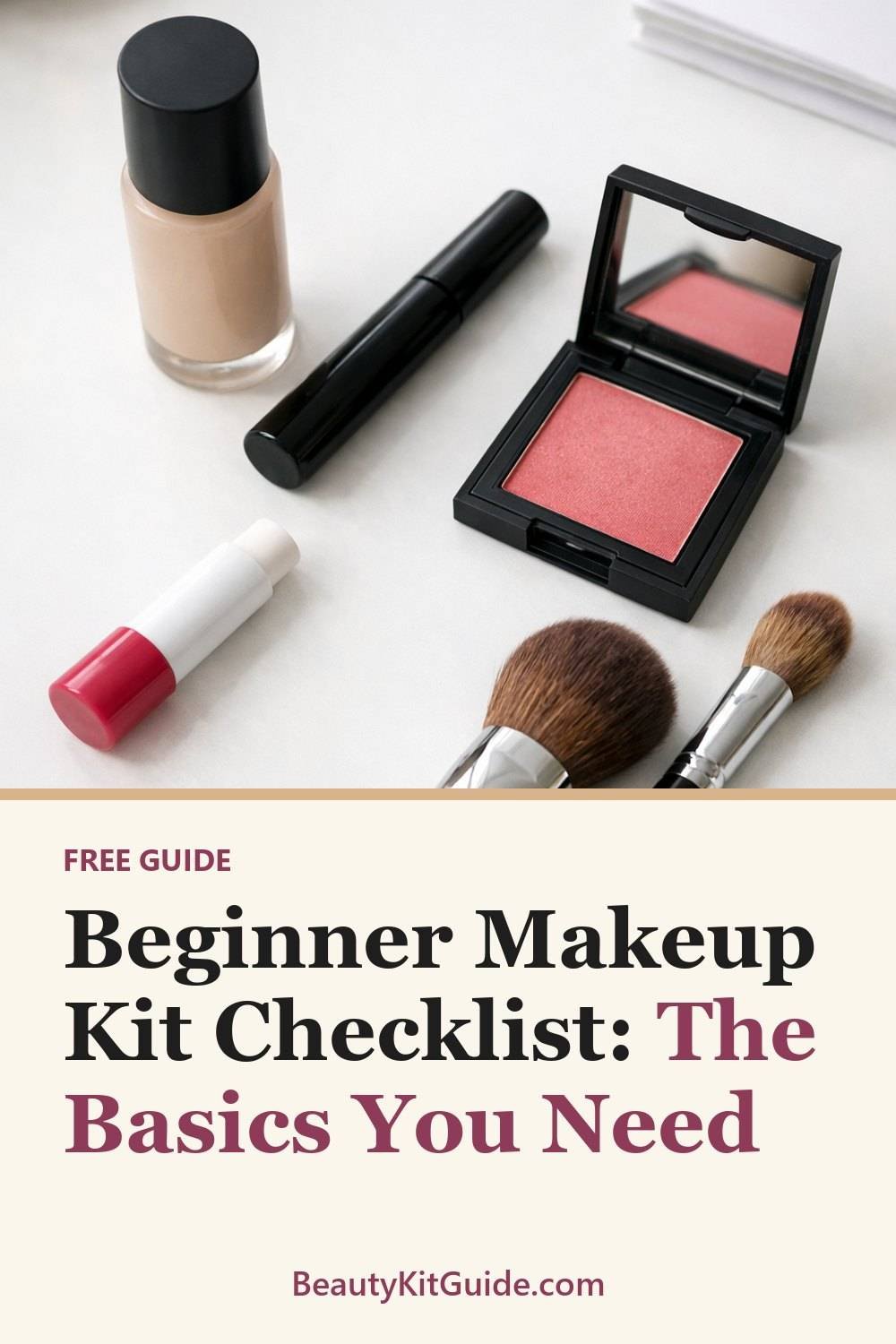
1. Build Your Beginner Makeup Kit Around What You Actually Wear
Before you buy a single thing, think about your normal week. Do you go to school or work with a bare face most days? Do you only wear makeup for weekends or special events? Your real routine matters more than any "must-have" list online.
If you mostly want to look a little more awake in the morning, that's a very different kit than someone who loves bold looks for nights out. Neither is wrong. They're just different starting points.
Practical tip: For one week, jot down when you wished you had makeup on and what you'd have wanted. Maybe it was "something for under-eye circles" or "a lip color that isn't too loud." That little list is your real shopping list, and it makes a great makeup kit for women who just want the basics.
2. Get Your Skin Ready First
This one surprised me. Makeup sits better on skin that's clean and moisturized. If your skin is dry or flaky, even a nice foundation can look patchy. So before face products, make sure you have a gentle cleanser and a moisturizer that suits you.
Sunscreen is worth thinking about too, since a lot of people wear it under makeup during the day. There is no single product that works for everyone, because skin types vary so much. If you have sensitive skin or skin concerns, a dermatologist or pharmacist can point you in the right direction.
Practical tip: Give your moisturizer a few minutes to sink in before you put anything on top. Rushing this step is one of the most common reasons makeup pills or slides around.
If you're still sorting out your skincare order, our free AM-PM Routine Chart for Skincare Beginners lays out the steps simply, and you can grab it by joining the email list.
3. Choose a Few Face Basics
Here's where beginners tend to overbuy. You really only need a couple of face items to start. For most people, that's one base product and maybe one concealer.
For the base, you could pick a tinted moisturizer, a skin tint, or a light foundation such as Maybelline Fit Me Foundation. If you just want to even things out a bit, a lighter option is easier to get right. Full-coverage foundation can be tricky to blend at first, and a wrong shade shows up fast.
Concealer is the one I'd never skip. It covers small spots, redness around the nose, and tired eyes. Honestly, some days concealer alone is all I wear.
- One base product (tinted moisturizer, skin tint, or light foundation)
- One concealer close to your skin tone
- Optional: a blush or a cream bronzer for a bit of warmth
Practical tip: Test shades on your jawline, not your hand, and look at it in daylight if you can. Store lighting can fool you. Many shops offer samples, so it doesn't hurt to ask.
4. Add One or Two Eye Items
Eyes are where it's easy to get carried away. Those huge palettes with thirty colors look fun, but most beginners use the same two or three shades over and over.
A mascara, such as Maybelline Lash Sensational Mascara, is a simple first pick. It makes a real difference without much skill. After that, you might add one neutral eyeshadow (a soft brown or taupe works on a lot of people) or a brow pencil if your brows are sparse.
You can skip liquid eyeliner for now. It's hard to apply neatly when you're new, and it can be frustrating. A soft pencil liner is much more forgiving, and you can smudge it if it goes wobbly.
Practical tip: If you want shadow, look for a small palette of neutrals instead of a giant one. You'll actually finish it, which is a nice feeling.
5. Keep Lips Simple
Lip products are probably the easiest place to have fun without much risk. A tinted lip balm is a great first step. It adds a little color and keeps lips soft, and you can throw it in your bag.
If you want something with more color, pick one shade close to your natural lip color, maybe a little deeper. Bright reds and dark berries are lovely, but they show every mistake and need more upkeep through the day.
Practical tip: Swipe a lip shade over your fingertip before you commit. Fingertips are often closer to lip tone than the back of your hand.
6. Pick a Couple of Tools for Your Makeup Bag
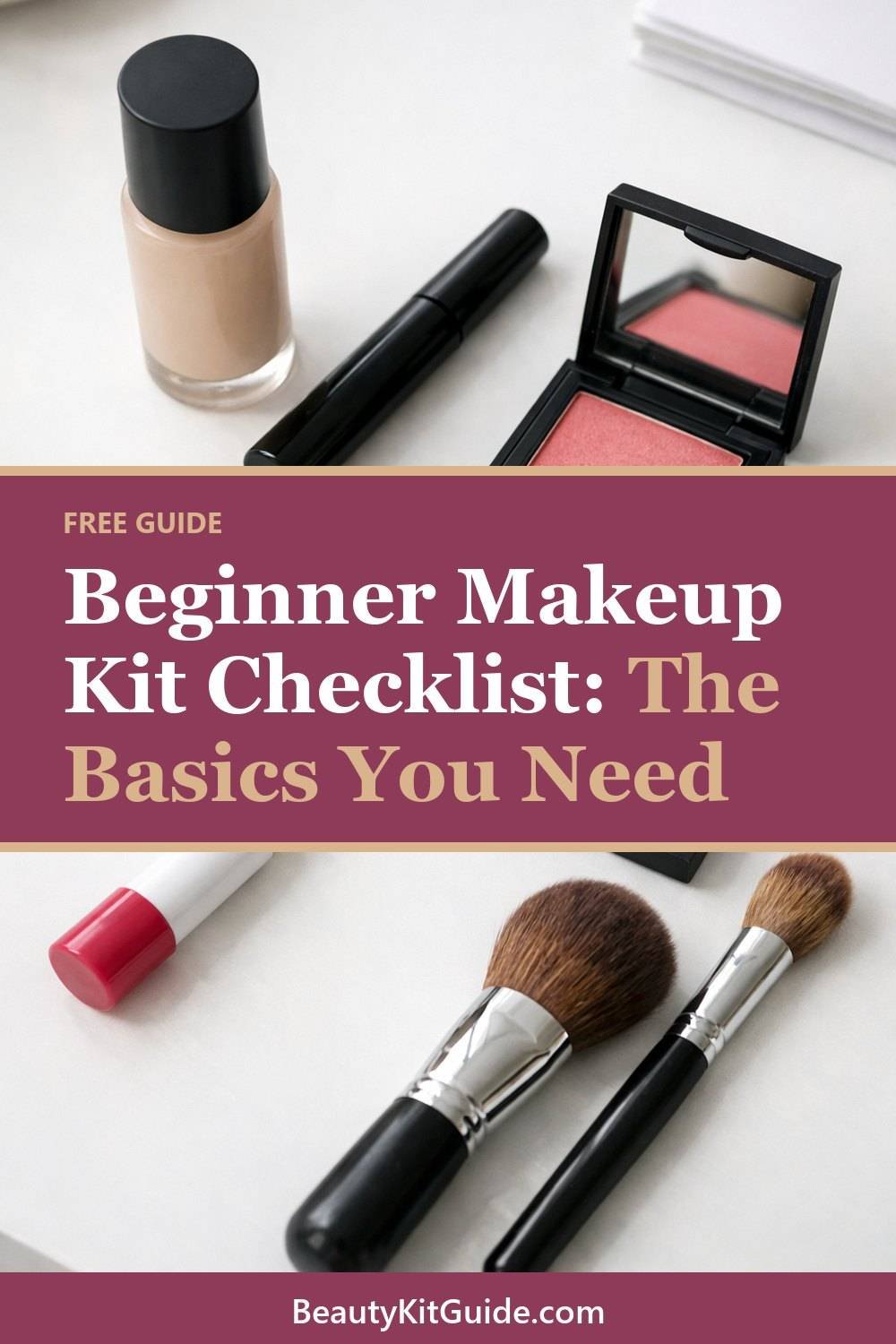
You don't need a full brush set. A few tools go a long way. In fact, your fingers work really well for cream products like concealer, cream blush, and tinted moisturizer. The warmth helps them blend.
If you want tools, I'd start with a makeup sponge like Beautyblender for your base and one fluffy brush for powder or blush. Add a small eyeshadow brush if you're using shadow. That's plenty.
Those 20-piece brush kits? Overrated for beginners. Half the brushes have no clear job, and you'll end up using the same three.
Practical tip: Dampen your sponge before using it, if the maker suggests that. It usually gives a smoother finish and soaks up less product.
7. Plan for Cleaning From Day One
Nobody gets excited about this part, but it matters, and it's easier when your makeup storage keeps tools clean and dry. Dirty brushes and sponges can hold onto old product and oil, which isn't great for your skin and makes your makeup look muddy.
Wash your tools the way the maker advises. Some brands give specific steps on the packaging or their website. A mild soap or a brush cleanser and some lukewarm water usually does the job for most tools, but check first.
Also, makeup doesn't last forever. Many products have a little open-jar symbol with a number, like "6M" or "12M," which tells you how many months it's meant to be used after opening.
Practical tip: Pick one day a week as "brush day." I do mine on Sunday evenings while something's playing in the background, then set everything back in my makeup holder. It takes ten minutes once it's a habit.
8. Skip the Rest for Now
Primer, setting spray, highlighter, contour, color corrector, lash curler, false lashes. All of these have their place. But you don't need any of them on day one.
Add items only when you notice a real need. If your makeup keeps wearing off by lunch, then maybe a primer or setting powder makes sense. If you never feel like something's missing, you saved money.
If you like keeping track of what you own and what you're thinking about buying, the Makeup Look Planner and Product Checklist below this post works like a makeup bag checklist you can download. It stopped me from buying a third almost-identical nude lipstick.
Practical tip: When you want something new, wait a week. If you still want it, and you can name exactly when you'd use it, go for it.
9. Practice When There's No Pressure
Don't try a brand-new look for the first time an hour before a big event. It's easy to make this mistake with eyeliner and end up taking it all off and starting over in a rush.
Practice on a quiet evening or a lazy weekend morning, ideally with a good light or the best makeup mirror you can find. Try your products in different amounts. See what a little concealer looks like versus a lot. You'll learn faster when you aren't worried about the clock.
Practical tip: Take a quick photo in natural light after you finish. Photos show you things a mirror doesn't, like a line where your base stops.
Beginner-Friendly Picks Worth a Look
These are well-known products and brands that suit a small, simple makeup bag. Treat them as starting points, not a must-buy list.
Maybelline Fit Me Foundation
A drugstore base that suits beginners who want an easy, widely available option. Check the shade range and finish (matte or dewy) against your skin type before choosing.
e.l.f. Cosmetics
A budget-friendly brand with a broad range of basics, from concealer to brushes. It suits anyone building a first kit without spending much. Read the ingredient list if your skin is sensitive.
Maybelline Lash Sensational Mascara
A simple first mascara for adding definition without much skill. Check whether you want a waterproof or regular formula, since waterproof types need a proper remover.
Beautyblender
A well-known makeup sponge for blending cream and liquid base products. It suits people who find fingers a bit messy. Follow the maker's cleaning advice, as sponges need regular washing.
Real Techniques
A brand that sells brushes and sponges in small sets and singly. It suits beginners who want a few tools rather than a huge kit. Check which brushes you will actually use before buying a set.
Fenty Beauty
Known for a wide choice of base shades, which helps if matching your tone has been tricky. Ask about samples or test in daylight, and check the undertone as well as the depth.
Burt's Bees Tinted Lip Balm
A gentle way to add a little color to lips and keep them soft. It suits anyone who wants low-effort lip color. Check the shade options and ingredients if you have sensitivities.
Check current plans and prices on each brand's own site before you buy.
FAQ
How much should I spend on my first makeup starter kit?
There's no right number. It depends on your budget and what you want to wear. Starting with a few basic items keeps the cost lower, and many drugstore products work well for beginners.
Do I need primer as a beginner?
Usually not at first. Good skin prep with a moisturizer often does a similar job. If you find your makeup fading or sliding during the day, that's the time to try one.
What if I have sensitive skin?
Check the ingredient list on the seller's page, and patch test new products on a small area first. If you have ongoing reactions or skin conditions, it's best to ask a dermatologist or pharmacist before trying new things.
How do I know if a shade is right for me?
Test on your jawline and check it in daylight. The right shade should almost disappear into your skin. If it looks lighter, darker, or more orange or pink, try another one.
Your Next Step
Start small, use what you buy, and let your makeup bag checklist for beginners grow slowly. If you'd like help getting your skin ready first, join the email list to get the free AM-PM Routine Chart for Skincare Beginners. Then take a look at the Beauty Beginner's Starter Guide and the Makeup Look Planner and Product Checklist below this post if you want a bit more structure as you build your routine.
Printables and tools that can help
Makeup Look Planner and Product Checklist
A printable starter checklist, look planner and brush-cleaning...
See detailsBeauty Beginner's Starter Guide
A plain-English starter guide to skincare, makeup and tools. General information only, not medical...
See details