Nail Care Basics Checklist
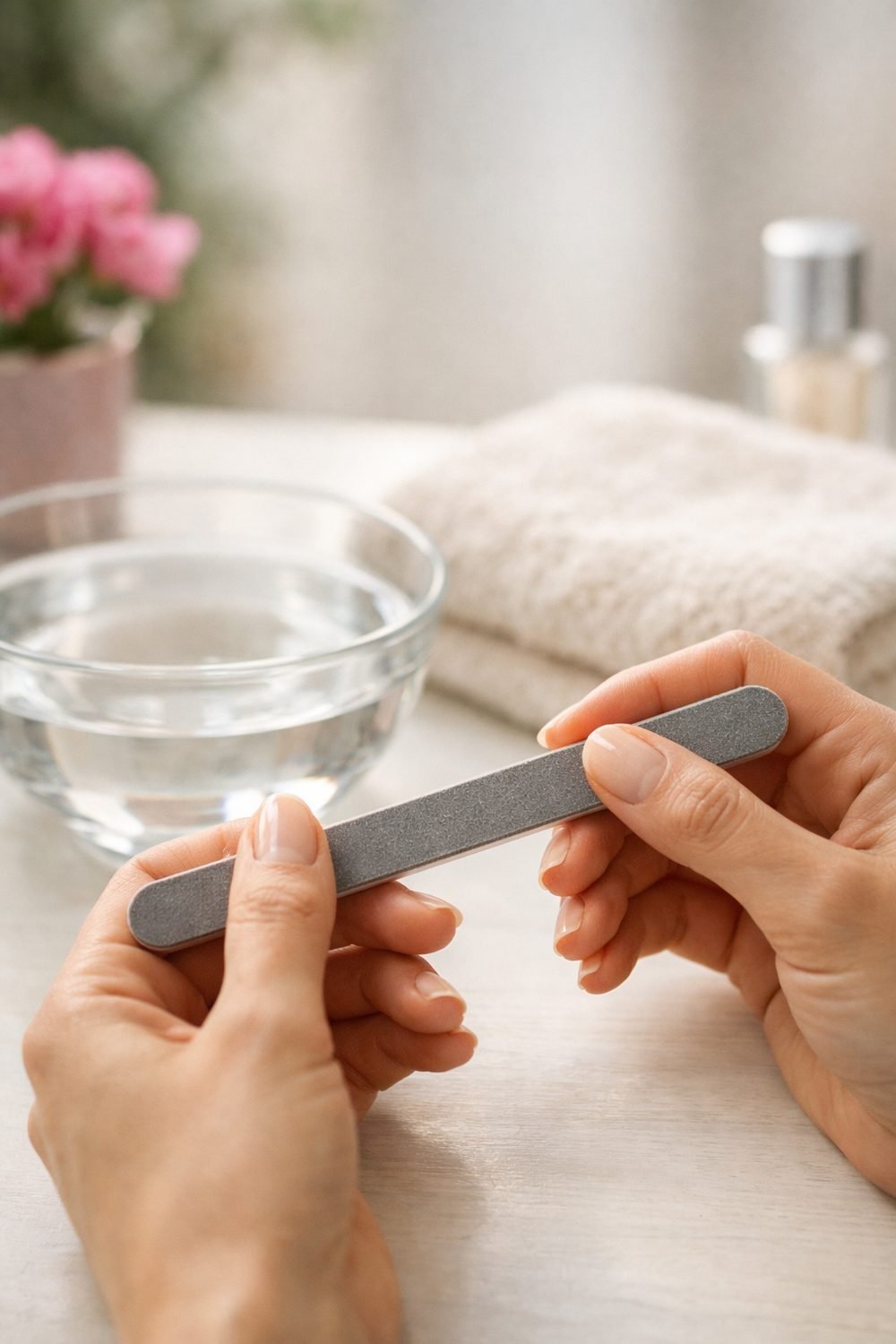
Healthy nails start with a few simple habits, and this checklist walks through them one by one, from trimming and moisturizing to protecting your hands. Small things like nail polish storage and the tools you keep within reach can also make your routine easier to follow.
Many people think nail care basics mean a salon visit every couple of weeks. Split, peeling nails and ragged cuticles are common in winter, and most of the fix is boring stuff you can do at home in a few minutes. No fancy kit. Just a few habits I actually stuck with.
This checklist is what I wish someone had handed me back then. It's simple and cheap, and you can start tonight with whatever is already in your bathroom drawer.
Short on time? Our top picks: Seki Edge Nail Clippers, Tweezerman Nippers, Mont Bleu Glass Nail File and CND SolarOil. See all picks

1. Nail Care Basics: Trim and File With Clean Tools
Start with the tools themselves, since clean tools are one of the most overlooked nail care basics. Clippers and files pick up gunk, skin bits and bacteria, and a dull clipper crushes the nail instead of cutting it. That crushing is often where splits begin. Wipe your clippers with rubbing alcohol after each use and swap out cheap emery boards once they feel smooth.
When you trim, go straight across or with a gentle curve, and don't cut too close to the skin. Then file in one direction, from the side toward the center. Sawing back and forth feels faster, but it roughs up the edge and can leave tiny tears.
Trim after a shower, when nails are a little softer. They're less likely to crack, and the whole thing takes about two minutes.
One honest opinion: metal files are overrated for most people. They can be harsh on thin nails. A fine glass or crystal file, such as one from Mont Bleu, is gentler and lasts a long time.
2. Moisturize Your Nails and Cuticles
Dry nails snap. Dry cuticles peel, hangnail, and look rough even if your polish is perfect. Hand cream helps, but most of us rub it into our palms and skip the nail area completely.
Cuticle oil, like CND SolarOil, is the small habit that made the biggest difference for me. A drop on each nail, rubbed in for a few seconds, before bed. If you don't have cuticle oil, a thick hand cream or a plain balm worked into the nail edges is fine, and it can live in the same spot as your nail polish storage so you see it. You don't need anything with a long ingredient list.
Keep the oil next to your bed or by the TV remote. If it's where you already sit at night, you'll actually use it. Mine lived in a drawer for months and did nothing.
3. Protect Your Hands From Water and Cleaners
This one sounds too simple to matter, but it does. Long soaks in dishwater and contact with cleaning sprays pull moisture out of your nails over and over. They swell with water, then shrink as they dry, and that cycle makes them weak and peely.
Keep a pair of rubber gloves under the kitchen sink and another with the bathroom cleaning supplies. If you react to latex, look for nitrile or another latex-free kind, and check the packaging to be sure.
If gloves feel sweaty, put a thin cotton glove underneath. It sounds fussy, but it makes long cleaning sessions much more comfortable.
4. Stop Using Your Nails as Tools
This habit is very common. Peeling stickers, opening soda cans, scraping off labels. Every time you pry with a nail, you put stress on the tip and the spot where it attaches. That's an easy way to get a painful break below the edge.
Use the pad of your finger, a coin, a key, or an actual tool. It feels silly at first, then you stop noticing.
Keep a small flat tool like an old gift card in your bag or desk for prying and scraping. It can do more for your nails than many strengtheners.
5. Find a Swap for Biting and Picking
If you bite your nails or pick at your cuticles, you're not alone, and willpower on its own rarely works. What helped me was figuring out when I did it. For me it was scrolling on my phone and reading emails I was nervous about.
Once you know your moments, give your hands something else to do. A stress ball, a ring you can spin, or a fidget toy. Some people like bitter-tasting polish made for nail biters, such as Mavala Stop. If you try one, read the label and directions on the product first.
Keep nails short and smooth while you're quitting. A rough edge practically begs to be picked, so a quick file can stop the urge before it starts.
Tracking helps too. Writing down how your nails look each week makes progress feel real. That's partly why the Nail Design Ideas Planner and Manicure Log below this post exists. You can use it to note what you did and how your nails held up, not just to plan designs.
By the way, if you're building small routines like this for your skin too, you can grab our Free AM-PM Routine Chart for Skincare Beginners when you join the email list.

6. Take Breaks Between Manicures
A fresh gel manicure is appealing to a lot of people. But wearing polish nonstop, especially gel or acrylic, can leave nails thin and dry. Removal is often the rough part, with soaking, scraping and buffing that takes off layers of nail.
Try giving your nails a few days bare between sets. Use that time for oil and a clear coat if you want a bit of shine. If you do gels, gentle removal matters a lot. Don't peel them off, even when one edge lifts and it's so tempting.
Pick your break around a quiet week, like when you're home more and not going to events, and tuck your polishes away in tidy nail polish storage while they rest. Bare nails feel a lot less awkward when nobody's looking at your hands.
7. Be Gentle With Your Cuticles
Cuticles act like a seal at the base of the nail. Cutting them down hard might look neat for a day, but it can leave the area open and irritated. You can skip cutting them, since leaving them alone often looks better.
Instead, soften them with oil or warm water and gently push them back with a soft wooden stick or a towel. Only clip true hangnails, the loose bits of dead skin that catch on things, and use clean, sharp nippers such as Tweezerman ones.
Never yank a hangnail. Snip it close with clean nippers and put a little balm on it. Pulling can tear living skin and leave you with a sore spot for days.
8. Keep a Simple Nail Care Routine You'll Actually Follow
You don't need a twelve-step ritual or a big skin care kit. Mine is short: file once a week, oil most nights, gloves for cleaning. That's about it. The routine you'll do on a tired Tuesday beats the perfect one you'll quit after a week.
If you like writing things down, the Beauty and Skincare Planner and Checklist Bundle below this post can hold your nail habits alongside your skin routine in one place. A paper note on the fridge works too, honestly.
Tie nail care to something you already do, like the evening news or brushing your teeth. Linking a new habit to an old one is much easier than remembering it on its own.
9. See a Professional If You Notice Changes
Most nail troubles come down to dryness, rough handling or overdone manicures. But some changes are worth having checked. Things like new dark streaks, changes in color or thickness, nails lifting away from the skin, pain, swelling, or signs of infection around the nail.
This list is not medical advice, and it can't tell you what any of these signs might mean. A doctor or dermatologist can look properly and tell you what's going on. Don't try to cover it with polish and hope.
Take a clear photo when you first notice something. It helps you see if it's changing, and it's handy to show at your appointment.
Nail care picks worth a look
You don't need much for the basics in this checklist. These are a few well-known tools and products that fit the habits above, with one thing to check before you buy.
Seki Edge Nail Clippers
A good fit if you want a sharp, well-made clipper that cuts cleanly instead of crushing the nail. Check the size and curve of the blade to make sure it suits your fingernails and not only your toenails.
Tweezerman Nippers
Suits anyone who needs to snip a hangnail cleanly instead of pulling it. Check that the tips close fully and feel comfortable in your hand, and wipe them with alcohol after each use.
Mont Bleu Glass Nail File
A gentler option for people with thin or peeling nails who find emery boards rough. Check that the surface feels fine to the touch, and handle it with care since glass can chip if dropped.
CND SolarOil
A well-known cuticle oil for anyone building a nightly oiling habit. Check the ingredient list if you have sensitive skin or known allergies.
Vaseline Petroleum Jelly
A plain, budget-friendly balm for rubbing into nail edges and cuticles before bed. Check that you're happy with a thicker, greasier feel on your hands, since it takes a minute to sink in.
Playtex Living Gloves
Handy for dishes and cleaning to keep water and sprays off your nails. Check the packaging for latex if you have a sensitivity, and look for a latex-free pair if so.
Mavala Stop
A bitter-tasting polish made for people trying to stop biting their nails. Read the label and directions first, and check that it's suitable for your situation.
Check current plans and prices on each brand's own site before you buy.
FAQ
How often should I trim my nails?
It depends on how fast they grow and how long you like them. Many people find once a week or every other week works. Filing in between keeps the edges from catching and tearing.
Do I really need cuticle oil for nail care basics?
Need is a strong word, but it's one of the easiest ways to keep nails and cuticles from drying out. If you don't want to buy it, a thick hand cream or plain balm rubbed into the nail area can do a similar job. The habit matters more than the product.
Are nail strengtheners worth it?
Some people like them, and some find certain formulas make nails brittle over time. Start with the free basics first: gloves, oil and gentle filing. If you try a strengthener, follow the directions on the product and stop if your nails seem worse.
How long should I go without polish between manicures?
There isn't one right number. Even a few bare days gives you time to oil and check your nails. If your nails feel thin or sore after removal, a longer break is a good idea, and a nail tech or doctor can give you advice for your situation.
If you're ready to start, pick just one habit from this list tonight. Cuticle oil before bed is a good pick, since it's the easiest win. Then grab the Free AM-PM Routine Chart for Skincare Beginners from the sign-up box so your skin routine gets the same simple treatment. And if you like tracking your progress on paper, take a look at the planners below this post to see if one fits the way you work.
Printables and tools that can help, including nail polish storage
Nail Design Ideas Planner and Manicure Log
Printable seasonal idea sheets, a manicure log and a nail-care and supply...
See detailsBeauty and Skincare Planner and Checklist Bundle
A printable bundle with a 30-day goal page, weekly planner and setup checklists for organizing a simple...
See details