Best Face Moisturizer for Dry Sensitive Skin: Skin-Type Questions
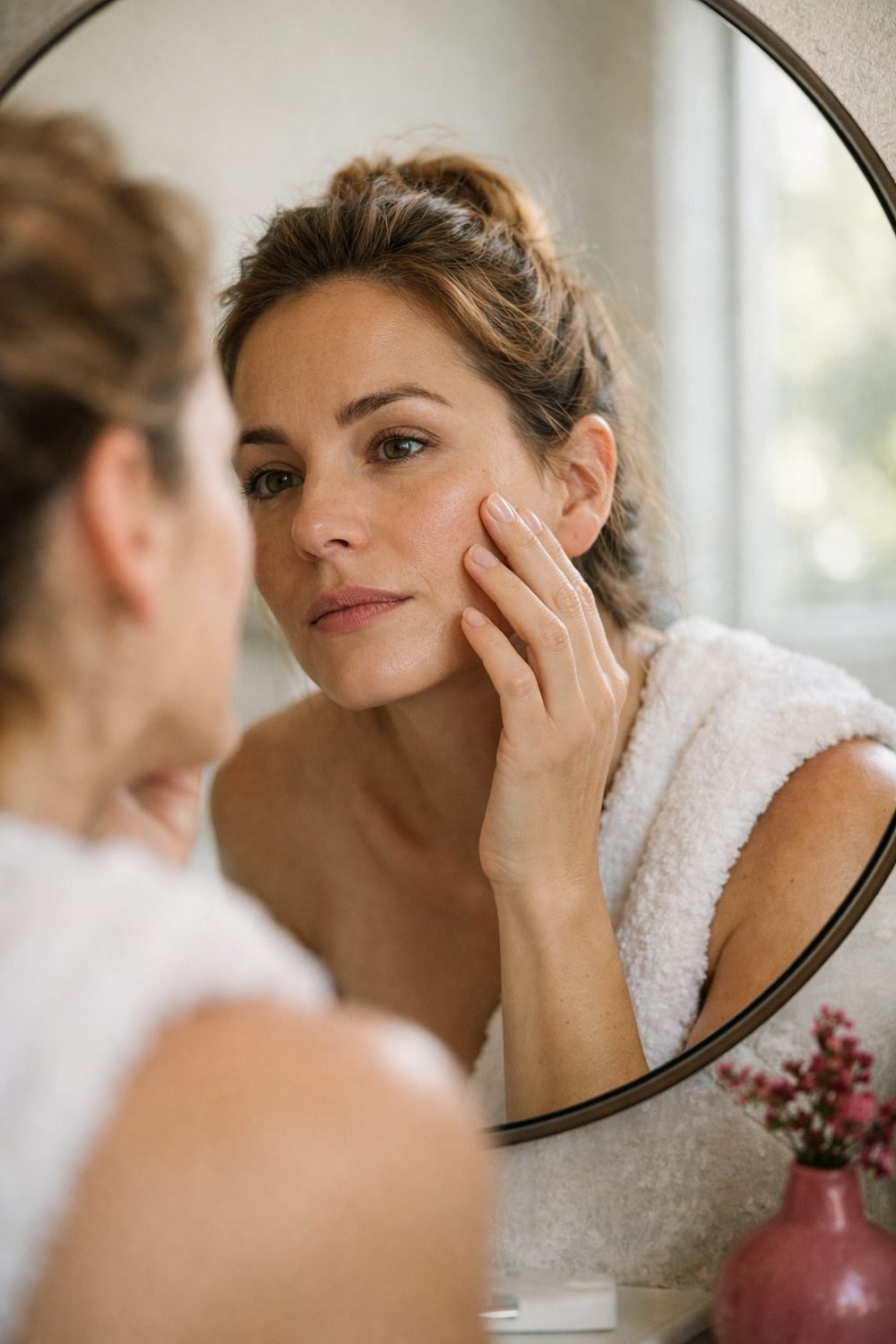
Finding the best face moisturizer for dry sensitive skin starts with knowing your skin type. The questions below help you notice how your skin behaves through the day and across the seasons, so you can choose products with more confidence.
Most of us pick skincare the same way. We grab whatever a friend swears by, or whatever has the nicest label, and hope it works. Many people do that for years, even while hunting for the best serum for oily skin without knowing if their own skin is oily. Here is something simple: when you can describe your own skin in plain words, you get much better at choosing what to try and what to leave on the shelf.
You don't need a fancy test to start. You need a few honest questions and a week or so of paying attention. Here are the skin type questions I'd ask myself if I were starting over.
Short on time? Our top picks: CeraVe Hydrating Facial Cleanser, La Roche-Posay Toleriane line, The Ordinary serums and Neutrogena Hydro Boost. See all picks
1. How does my skin feel 20 minutes after using a skin cleanser?
This is the question I'd start with, because it's easy and it tells you a lot. Wash with your usual cleanser, pat dry, and then don't put anything on. Just wait.
Does your face feel tight, like it's a size too small? Does it feel comfortable and normal? Maybe your cheeks feel tight but your nose and forehead already look a little shiny. Any of these answers is useful. Tightness often points toward drier skin, where a serum for dry skin may help, while quick shine hints at oilier areas that might like a serum for oily skin. A mix of both is really common.
Tip: Do this on a normal day, not right after a hot shower or a long day in the sun. Heat and wind can make your skin feel tighter than it usually does.
2. What does my face look like by mid-afternoon?
Mornings can fool you. Most faces look fine at 8 a.m. The real story shows up later, around 2 or 3 in the afternoon, after a few hours of living your life.
Take a quick look in a mirror, or snap a photo in the same spot near a window each day. Is there shine across your forehead and nose? Does your makeup look patchy or flaky on your cheeks? Or does your skin look pretty much the same as it did that morning?
You can do this almost anywhere, even in a work bathroom, though it may feel a little silly at first. But after five days, I could see a clear pattern: shiny in the middle, dry around the edges. A single note about your skin type can change which moisturizer you buy.
Tip: Blot one spot gently with a plain tissue in the afternoon. If it picks up oil, write down where. Your T-zone and your cheeks might give totally different answers.
3. Does skin react to products? Finding the best face moisturizer for dry sensitive skin
Think back over the products you've used. Has anything made your skin sting, turn red, itch, or break out in a way that felt different from usual? Some people react to strong scents, and others find the best vitamin c for sensitive skin takes some trial and error. Others notice trouble with certain scrubs or acids. And some people can use almost anything without a problem.
Try to be specific here. "My skin hates everything" isn't very helpful. "That orange-scented face wash made my cheeks pink and itchy" is something you can actually use. Check the ingredient list on the seller's page if you still have the product name, and jot down anything that stands out.
One honest opinion: I think a lot of people blame the wrong product. If you started three new things in the same week and your skin got upset, you can't really tell which one caused it.
Tip: Add only one new product at a time and give it a couple of weeks before adding another. It's slow, but it saves you from guessing.
4. Does my skin change with the seasons?
Skin in July and skin in January can behave like two different people. Summer means more shine and sometimes more clogged spots. Winter means flaky patches around my nose and a tight feeling after every wash.
If yours shifts like that too, it doesn't mean you've been wrong about your skin type. It just means your routine might need small swaps through the year. Maybe a lighter lotion in summer, such as Neutrogena Hydro Boost, and a thicker cream when the heat comes on indoors, plus the best sunscreen for dry skin once winter hits.
Tip: Write the date next to your skin notes. A few months later you can look back and see if your "new problem" is really just the weather changing.
If you like having something on paper to fill in, my Free AM-PM Routine Chart for Skincare Beginners is a simple place to start, and you can grab it when you join the email list.

5. How do my habits show up on my face?
This one isn't about products at all. Sleep, stress, how much water you drink, whether you touch your face a lot, how often you wash your pillowcase: these small things can show up on your skin.
A glass of water will not fix anything on its own. It is worth noticing that after a few short-sleep nights, skin can look dull and you may be more likely to pick at spots. Knowing that helped me stop buying a best skin brightening serum to fix what was really a tired face.
Tip: Next to your skin notes, add one quick line about your day. Something like "bad sleep" or "new phone, touching face a lot." Over time, patterns pop out.
6. Is there one thing I'd most like to change?
Lots of people try to fix five things at once. Dark spots, dryness, breakouts, fine lines, and big pores, all in one new routine with a vitamin c serum for oily skin and three other new things. That usually means a crowded bathroom shelf and a confused face.
Pick one main concern for now. Just one. It makes shopping easier, because you can read product pages with a clear question in mind: does this help with the thing I care about most?
If your concern is something that worries you, like a rash that won't go away, painful breakouts, or a spot that's changing shape or color, please don't try to sort it out with products alone. That's a time to talk to a doctor or dermatologist.
Tip: Write your one concern at the top of your notes page. It keeps you from getting pulled toward every shiny new launch.
7. What's actually working right now?
We spend so much time on what's going wrong that we forget to notice what's going right. Is there a skin toner or cleanser, maybe something like CeraVe, you've used for a year without trouble? A sunscreen you don't mind wearing? Those are worth keeping.
You can skip the urge to replace a whole routine just because one step isn't great. Keep what works and change one piece. It's cheaper, and it's much easier to tell what made the difference.
Tip: Make a short "keep" list. If a product is on it, you don't touch it until you have a real reason.
8. When did I last check in with my skin?
Skin changes. Age, hormones, moving to a new place, a new job with long hours: all of it can shift how your face behaves. The answers you gave two years ago might not fit anymore.
So come back to these questions every few months. It doesn't need to be a big project. Ten minutes with your notes and a mirror is plenty.
If you'd like some structure for this, the Skin-Type Quiz and Routine Builder below this post walks through questions like these, and the Skincare Routine Charts and 30-Day Tracker give you a place to log what you notice day by day. Use them if they help. A plain notebook works too.
Tip: Set a reminder on your phone for the start of each season. It's an easy nudge to check in.
Products worth a look once you know your skin
Once you can describe your skin in plain words, shopping gets easier. These are well-known options that suit different answers to the questions above.
CeraVe Hydrating Facial Cleanser
A familiar pick for people whose skin feels tight after washing. Check the label for your skin type, since the brand makes different cleansers for dry and oily skin.
La Roche-Posay Toleriane line
Often looked at by people who react to scents or find many products irritating. Read the ingredient list for anything you already know bothers you.
The Ordinary serums
A simple range that suits people who like to add one new product at a time. Look closely at the ingredient and directions on each product, as they vary a lot.
Neutrogena Hydro Boost
A common starting point for lighter moisturizers, which can suit shiny T-zones or summer routines. Check that the texture feels right on your drier patches.
Vanicream Gentle Facial Cleanser
Made with sensitive skin in mind, so it may suit anyone who keeps a short list of products that bother them. Check the ingredients against your own notes.
EltaMD UV Clear
A sunscreen many people with oily or breakout-prone skin look at. Confirm the SPF and directions on the seller's page before buying.
Paula's Choice Skin Balancing line
Suits people with combination skin who want products matched to a specific concern. Pick only one concern at a time, as the post suggests, and add one product slowly.
Check current plans and prices on each brand's own site before you buy.
FAQ
How long should I track my skin before deciding on a type?
Give it at least a week of normal days, and two weeks is even better. One day can be thrown off by weather, sleep, or a new product. A longer stretch shows you what's typical for you.
Can I have more than one skin type?
Yes, and many people do. It's really common to have an oily center of the face with drier cheeks. Your skin can also lean one way in summer and another in winter.
Do I need expensive products once I know my skin type?
Not necessarily. Knowing your skin helps you read labels and choose the best skin serum or best vitamin c for skin more carefully, whatever the price. Check each seller's page for ingredients and directions, and go by how your skin responds.
When should I see a professional instead of figuring it out myself?
If something hurts, keeps getting worse, won't clear up, or just worries you, it's time to ask a doctor or dermatologist. These questions are meant to help with everyday choices, not to replace a proper check.
If you want an easy first step, sign up for the Free AM-PM Routine Chart for Skincare Beginners and start filling it in this week. Once you've got a few days of notes, take a look at the Skin-Type Quiz and Routine Builder and the Skincare Routine Charts and 30-Day Tracker below this post and see if either one fits the way you like to work.
Printables and tools that can help
Skin-Type Quiz and Routine Builder
A browser tool where you answer questions and build a routine list from your own choices. Your data stays in...
See detailsSkincare Routine Charts and 30-Day Tracker
Printable morning and evening routine charts, a weekly schedule and a 30-day...
See details