Tracking Products: Why Dates Matter
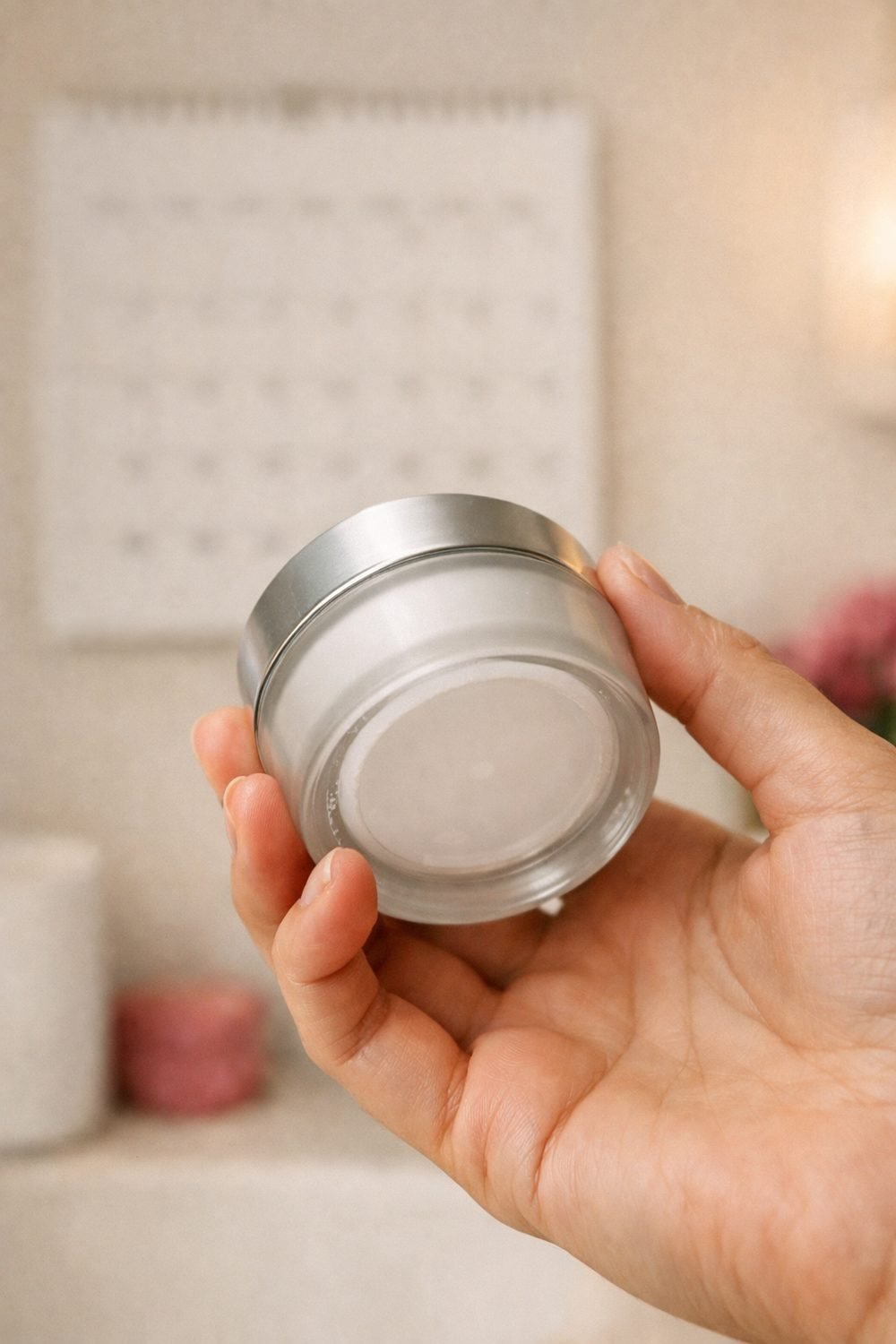
A basket of skincare and makeup under the bathroom sink is easy to build up, but it gives you no way to track expiry dates. When you finally clean out a makeup drawer, it's common to find a moisturizer you can't remember buying and a mascara that smells a little off. Without a date on them, you have no idea how old either one is. That's a good moment to start writing dates on things.
Writing down when you opened a product helps you follow the maker's guidance on how long it's meant to last. It sounds like a small habit, and it is. But it saves you from guessing, and guessing is how I ended up with that weird mascara.
Here's how I track my products now. It's simple, it takes very little time, and you don't need anything fancy to start.
Short on time? Our top picks: Sharpie Fine Point Permanent Marker, Avery Removable Labels, Scotch Magic Tape and Notion. See all picks
Track skincare expiry dates by marking the open date
This is the whole habit, really. The moment you break the seal on something new, write the date on it. Don't wait until later. Later never comes.
A fine-tip permanent marker, such as a Sharpie, works on most plastic and glass. For tubes or small things like lip balm, a tiny sticker label is easier to read. Keep a marker in the same drawer as your cotton pads so it's right there when you need it.
Some tips that helped me:
- Write the month and year at the very least. The exact day is nice but not a big deal.
- Put the date on the bottom or back so it doesn't rub off with handling.
- If the packaging is slippery, a bit of clear tape over a sticker keeps it in place.
- Write on the box too if you keep the product in it, but the bottle matters more. Boxes get thrown out.
That's it. You don't need a label maker. Buying a gadget in hopes of getting organized often backfires, since it can end up sitting unused in a drawer. A marker does the job.
Read the label for replacement guidance
Most products tell you how long they're meant to last once opened. You just have to know where to look.
On a lot of skincare and makeup, there's a small symbol that looks like an open jar with a number inside it, followed by the letter M. That number is the maker's suggested number of months to use the product after you open it. So if you see a 6M or 12M, that's your guide.
Some products show a printed expiry date instead, or as well. Others have a batch code that only the company can really read. If a label is confusing or you can't find any guidance, check the seller's or brand's page. They usually explain what their symbols and codes mean.
One honest note here. There's no single rule for when to toss something, because every product is different and the maker's guidance is the best source. The label and the brand are the ones to follow. If you have sensitive skin or a skin condition and you're unsure about a product, it's worth asking a pharmacist or dermatologist.
Keep a simple beauty product log
The marker on the bottle is great, but once you have more than a handful of things, a log makes life easier. You can see everything in one place without picking up every jar.
A log can be very basic. For each product I note:
- The product name
- The date I opened it
- The replacement guidance from the label
- The date I should check it again
You can do this in a notebook, a notes app like Google Keep, or a skincare inventory tracker printable taped inside a cabinet door. Paper works well because you're more likely to actually look at it. Apps are easy to forget about. That's just me, though. Use whatever you'll keep up with.
If you'd like something ready to go, the Product Inventory and Expiry Tracker below this post is a printable sheet made for exactly this. It works as a makeup inventory printable too, with columns for open dates and check dates, so you don't have to draw your own lines.
And if you're just getting started with a routine at all, you can grab our free AM-PM Routine Chart for Skincare Beginners by joining the email list.
Check your product expiry tracker once a month
You don't need to look at your products every day. Once a month is plenty. You could do yours on the first Sunday of the month, maybe with a cup of tea, and it takes about ten minutes.
During that check, I glance at my log and see what's coming up. Then I look at the actual products. Dates are helpful, but your eyes and nose tell you things too.
Things I pay attention to:
- A smell that's different from when it was new
- A change in color
- Separation that doesn't mix back in when shaken
- A strange texture, like a cream turning grainy or watery
If something has changed like that, I don't keep using it, even if the date says it should still be fine. How you store things matters. A product kept in a hot, steamy bathroom may not last as long as one kept somewhere cool and dry. When in doubt, the brand's page is a good place to check.
A small trick that keeps me consistent
I set a repeating reminder on my phone, in something like Google Calendar, for that first Sunday. Without it, I'd skip months without noticing. It's not exciting, but it works.
Skincare declutter: get rid of old products the right way
Once something is past its time, don't just toss it without thinking. Beauty products can be a bit tricky to dispose of, and the rules are different depending on where you live.
Some places let you recycle certain containers once they're empty and rinsed. Others have special rules for things like nail polish or aerosol cans. Your local council or waste service usually has a page that explains what goes where. That's the best place to check.
Here's what I do at home:
- Empty out what I can before recycling a container, if my area accepts it.
- Keep anything that needs special handling in a separate bag until I can take it to the right drop-off.
- Cross the item off my log so I don't think I still have it.
That last step sounds silly, but I once bought a second cleanser because my log still showed the old one. Not my finest moment.
Replace things thoughtfully and keep your beauty products organized
This is where tracking really paid off for me. Once I could see what I had and when it would run out, I stopped buying on impulse. It's easy to grab a new serum just because it's on a shelf near the checkout, so check what you already own first. Now I check my log first.
A few honest thoughts on replacing products:
Buy what you'll actually finish. Big jumbo sizes look like a deal, but if the label says to use it within six months and you only use a little each day, you might not get through it. A smaller size can make more sense.
Don't stock up too far ahead. Having backups has its appeal. But unopened products can still have a shelf life, so a closet full of extras isn't always a win.
Skip the "complete set" urge. Matching sets are a bit overrated. You often end up with one or two items you never use, and then they just sit there aging.
If you like planning purchases around your routine, the Beauty and Skincare Planner and Checklist Bundle below this post includes checklists that pair well with tracking. It's handy if you like seeing your routine and your shopping list side by side.
Tools that make tracking easier
You don't need much to keep dates in order, but a few simple tools can help. Here are some well-known options to consider.
Sharpie Fine Point Permanent Marker
Suits anyone who wants to write open dates straight onto bottles and jars. Check that the ink stays put on your specific packaging, since glossy or oily surfaces can smudge.
Avery Removable Labels
A good fit for tubes, small pots and lip products where writing directly is awkward. Check that the label sticks to curved or damp-prone surfaces and peels off cleanly if you want to reuse the container.
Scotch Magic Tape
Handy for covering a handwritten label so it survives handling. Test it on a small spot first, as some tape can lift or cloud on certain finishes.
Notion
Suits people who like a digital log with columns for open date and check date. Check whether the free version covers what you need and whether you will really open it regularly.
Google Keep
A simple notes and checklist app for anyone who wants something quick with no setup. Check how it syncs across your devices so your list is there when you need it.
Google Calendar
Useful for setting a repeating monthly reminder for your product check. Check your notification settings so the reminder actually reaches you.
Muji Acrylic Storage Organizers
Suits people who want to see everything at a glance in a drawer or cabinet. Measure your space first and check that the compartments fit your tallest bottles.
Please check current plans and prices on each brand's own site.
FAQ
What does the little jar symbol with a number mean?
It's often called the period-after-opening symbol. The number with an M shows the maker's suggested number of months to use the product once it's opened. If you're not sure how to read it on a specific item, check the brand's page.
Do I need to track products that are unopened?
It can help, especially if you buy backups. Some products have a printed expiry date even before opening. Noting when you bought them gives you a rough idea of how long they've been sitting around.
What if a product has no date or symbol at all?
Write down the date you opened it anyway, and look up the brand's guidance online. If you still can't find anything, keep an eye on smell, color and texture during your monthly check. A pharmacist can also help if you have concerns.
Is a paper skincare inventory tracker better than an app?
Neither is better. It depends on which one you'll actually use. Paper works if you see it every day, but plenty of people do great with a notes app.
Wrapping up
Tracking dates isn't complicated. Write the open date on the product, read the label for the maker's guidance, keep a simple log, and check in once a month. When something's done, dispose of it the way your area suggests, and replace it only if you really need it.
It's a small habit that makes your shelf calmer and your spending a little smarter. It's a habit that's worth starting early.
If you're ready to get going, start by grabbing the free AM-PM Routine Chart for Skincare Beginners through the sign-up box. Then take a look at the Product Inventory and Expiry Tracker and the Beauty and Skincare Planner and Checklist Bundle below this post if you'd like a ready-made way to keep it all organized.
Printables and tools that can help
Product Inventory and Expiry Tracker
A printable tracker for skincare, makeup and hair products: date opened, replace-by date and...
See detailsBeauty and Skincare Planner and Checklist Bundle
A printable bundle with a 30-day goal page, weekly planner and setup checklists for organizing a simple...
See details