What Is a Patch Test and Why Do People Do One
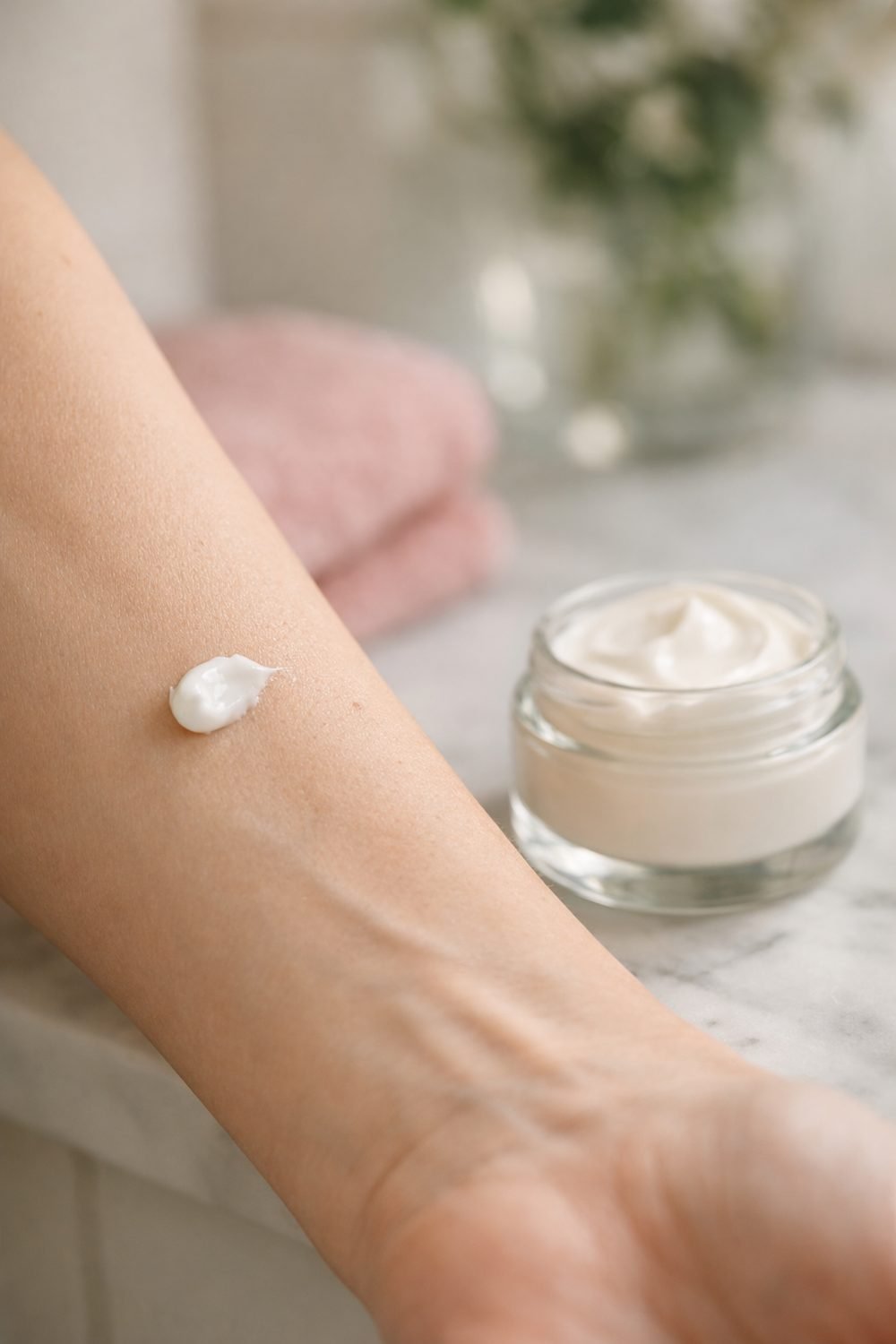
A patch test is a small trial of a product on a limited patch of skin before you use it all over, and this patch test guide for beginners walks you through it. That's really all it is. You put a little bit somewhere, you wait, and you see what your skin thinks about it.
Many people skip them. It's tempting to buy a new cleanser or a face mask, get excited, and slap it straight on your face. Most of the time nothing happened. But when something does react, you can end up with a blotchy, itchy cheek for a couple of days and a lot of regret. Since then, I patch test almost everything new. It takes a little patience, but it's a lot less annoying than dealing with a reaction across your whole face.
Here's a simple patch test guide with safety notes: what a patch test actually is, why people bother, and how to do one without overthinking it.
Short on time? Our top picks: CeraVe Moisturizing Cream, Vanicream Daily Facial Moisturizer, La Roche-Posay Toleriane and Cetaphil Gentle Skin Cleanser. See all picks
Why People Bother With a Patch Test
Skin is personal. A product your best friend loves might make your skin sting, and the reverse is true too. Ingredients like fragrance, essential oils, acids or certain preservatives can bother some people and not others. You often can't tell which group you're in until you try.
A patch test gives you a low-stakes way to find out. If your skin doesn't like something, you'd much rather learn that on a small spot than on your entire face the night before an event.
People tend to patch test when they're:
- Trying a brand new product for the first time
- Switching to a stronger version of something they already use
- Making a homemade face mask with kitchen ingredients
- Using hair dye, such as Clairol Nice'n Easy, where many packages tell you to test first
- Dealing with skin that reacts easily to new things
It's not a guarantee. A product can pass a patch test and still cause trouble later. But it catches a lot of obvious problems early, and I think that alone makes it worth the effort.
Start Your Patch Test Guide With the Directions on the Package
This is the part people skip, and it's the most useful step. Many products, especially hair dyes and some stronger skincare, explain exactly how the maker wants you to test. They may tell you where to apply it, how much to use and how long to wait.
If the product has instructions, follow those over anything you read online, including this post. The maker knows their formula better than a general guide does. If the instructions are in tiny print on the inside of a folded leaflet (they often are), it's worth grabbing your glasses or a phone flashlight and actually reading them.
If there are no directions at all, check the seller's page or contact the brand. Sometimes they have extra guidance there that didn't fit on the label.
Picking a Small Spot for Your Patch Test
You want a small area that's easy to watch and not too obvious if it gets red. Common spots people use include the inner forearm, the inside of the elbow, behind the ear or along the jawline. Again, if the product tells you where to test, go with that.
For face products, some people like testing near the jaw because it's closer to the skin the product is actually meant for. Others prefer the arm because a reaction there is easier to hide. A good approach is to do the arm first, then a small bit on the jaw if the arm looks fine. That might be overkill for a gentle moisturizer, but I do it with anything that has acids or a strong scent, and I'm extra careful with a new moisturizer for sensitive skin.
A few small tips that help:
- Use clean, dry skin with nothing else on it
- Apply only a small amount, about the size of a coin or less
- Pick one spot and remember where it is (I've lost track before, which defeats the point)
- Test one new product at a time, like a gentle moisturizer such as CeraVe Moisturizing Cream, so you know what caused any reaction
That last one matters more than it sounds. If you test three products on three spots at once and your arm itches, you may not be sure which one is the problem.
Waiting Is the Hard Part
Here's where most of us get impatient. You've got the new product, it smells nice, and you want to use it now. But reactions don't always show up right away. Some appear within minutes. Others take a day or longer.
Wait for the time the product's directions give you. If there isn't a stated time, many people wait at least a full day before deciding a product seems fine. Don't rinse the test spot early unless it starts to bother you, and try not to rub it off with clothing.
Honestly, I find it easiest to do the test at night before bed. Then I can check it in the morning and again that evening without staring at my arm all day.
If you like keeping track of what you've tested and how it went, a notes app like Skin Test Reminder in Apple Notes works, and our Skincare Routine Charts and 30-Day Tracker, below this post, works like a simple patch test guide template with space to jot that down so you're not relying on memory.
What a Reaction Can Look Like
Not every reaction is dramatic. Some are mild and easy to miss if you're not checking. Things to watch for include:
- Redness that wasn't there before
- Itching or a burning feeling
- Small bumps or a rash
- Swelling around the spot
- Dry, flaky or tight skin in the test area
A tiny tingle with some products can be normal, and the label may even mention it. But if it keeps getting worse, or you just don't feel right about it, trust that. You don't have to talk yourself into liking a product.
By the way, if you're just starting a routine and want something simple to follow, you can grab our Free AM-PM Routine Chart for Skincare Beginners by joining the email list.

If Your Skin Gets Irritated
Rinse the product off gently with cool or lukewarm water. Don't scrub. Then stop using that product. It's tempting to think it was a fluke and try again, but that's usually not worth it.
Let the area settle without piling other new products on it. Keep a note of the product name and, if you can, the ingredient list. Over time you may notice the same ingredient showing up in things that bother you, which makes shopping easier later.
If the reaction is strong, spreading, painful, or involves swelling of the face, lips or eyes, or any trouble breathing, get medical help right away. Don't wait it out.
Homemade Face Mask Recipes Count Too
People often assume natural or kitchen ingredients are automatically gentle. They're not always. Things like lemon juice, cinnamon or some essential oils can irritate skin, and even plain foods can bother some people. Homemade doesn't mean safe for everyone.
So if you mix up a mask at home, patch test it the same way you would a store product. That's actually why our DIY Face Mask Recipe Cards with Patch-Test Guide, below this post, put testing steps right next to the printable face mask recipes. It's better to test a mask on your arm than to find out the hard way on your face.
Patch Test Safety: When to Ask a Professional
A patch test at home is a simple check, not a medical test. If you have skin that reacts often, a skin condition, or you're unsure whether a product is right for you, it's a good idea to talk to a doctor, dermatologist or pharmacist. They can look at your skin and give advice that fits you, which a blog post can't do.
The same goes if you're pregnant, on medication, or using prescription skincare. Ask before adding something new.
Products Worth Considering for Patch Testing
You don't need much to patch test well, but a few gentle staples and simple tools make it easier. Here are some real options that fit the topic, described in general terms.
CeraVe Moisturizing Cream
A common pick for people who want a fragrance-free everyday moisturizer to test on a small patch first. It suits dry or sensitive skin types. Check the full ingredient list against anything you already know bothers you.
Vanicream Daily Facial Moisturizer
Vanicream is a brand known for formulas aimed at sensitive skin. It suits people who want to avoid common irritants like fragrance and dyes. Still patch test it, since no formula is right for everyone.
La Roche-Posay Toleriane
This line is made with sensitive skin in mind and is often recommended as a gentle starting point. It suits people building a short, simple routine. Check which product in the range matches your skin type and read the directions first.
Cetaphil Gentle Skin Cleanser
A familiar, mild cleanser that suits people who want to test a basic wash before trying anything stronger. Rinse-off products are still worth a small test. Check the label if you are sensitive to any listed ingredient.
Avene Thermal Spring Water
A spray some people use to cool and calm skin after rinsing off a product. It suits those who like a gentle step after a test. Check the directions for how and when the brand suggests using it.
Clairol Nice'n Easy
Hair dye is one of the places where makers ask you to test first. This line suits anyone coloring hair at home. Read the included patch test instructions closely and follow them exactly.
Skin Test Reminder in Apple Notes
A free notes app is a simple way to log what you tested, where and when. It suits anyone who forgets which arm spot was which. Check that your notes sync to the devices you actually use.
Check current plans and prices on each brand's own site before you buy.
FAQ
Do I need to patch test every single product?
Many people focus on new products, like a night cream for aging skin or a body lotion for dry skin, plus stronger products and anything with fragrance or acids. If a product's directions say to patch test, do it. For anything you're unsure about, testing is the safer choice.
If a patch test goes fine, does that mean I'll never react?
No, it's not a guarantee. Reactions can sometimes appear after repeated use. It just lowers the chance of a surprise on your first full use.
Can I patch test a face cream on my face?
Some people test a small spot on the jaw or near the ear, especially for face products. Follow the product's directions first. If you're nervous, start on your arm and move to your face only if that goes well.
How long should I wait?
Wait the amount of time the product's directions give. If none is listed, many people wait at least a full day. If you're unsure, ask the seller or a pharmacist.
A Quick Recap
A patch test means trying a small amount of a product on a small area, waiting, and watching for redness, itching or other changes before you use it more widely. Read the directions, test one thing at a time, give it time, and stop if your skin complains. When in doubt, ask a professional.
If you're building your first routine, start by grabbing the free AM-PM Routine Chart for Skincare Beginners through the sign-up box. Then, if you'd like help keeping track of what you test or trying a homemade mask the careful way, take a look at the recipe cards and routine tracker below this post.
Printables and tools that can help
DIY Face Mask Recipe Cards with Patch-Test Guide
Twelve printable recipe cards with a patch-test guide and general safety notes. Not medical...
See detailsSkincare Routine Charts and 30-Day Tracker
Printable morning and evening routine charts, a weekly schedule and a 30-day...
See details